Embrace All Kinds Of Light

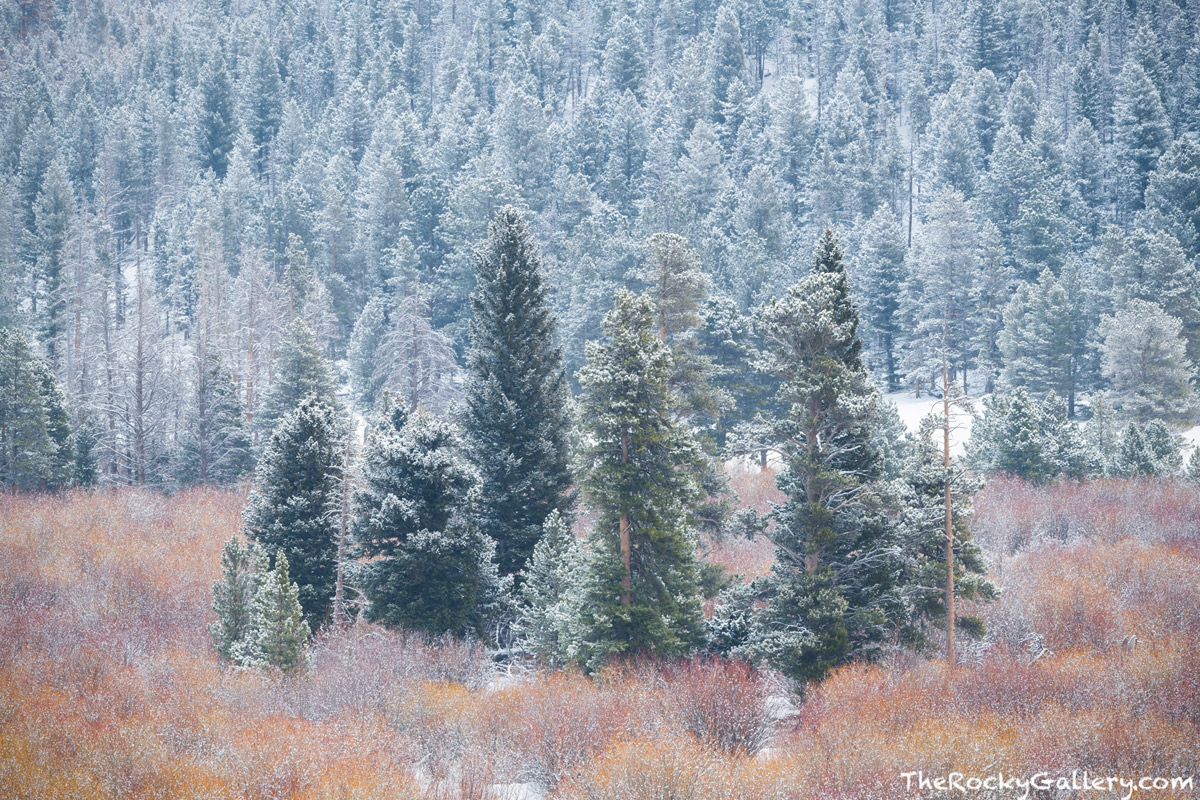
Embracing all kinds of light means its important for landscape photographers to navigate through all the different kinds of light that may fall on a landscape. Dramatic lighting on iconic scenes is awesome but learning how to photograph under more subtle lighting condtions can be just as rewarding. Sublte ligithing conditions can allow one to capture a sense of place better or to photograph locations that dont work well under more dramatic lightingn conditions. I’ve been waiting for a gray day to photograph this scene in Rocky Mountain National Park for quite awhile. Snow on the trees and willows combined with overcast lighting allowed me to bring out the blues on the pines and the reds of the willows in a more discrete fashion.Technical Details: Nikon D850, Nikkor 200-500mm F5.6 AF-S VR E lens

The trend in landscape photography has been every more dramatic, epic, and otherworldly lighting conditions. Combine this was some iconic spot and one has the formula for a Facebook post, Tweet or Instagram post to garner lots of likes or maybe even go viral. The euphoria and endorphin rush with capturing a scene under dramatic lighting combined with lots of likes and comments on social media feeds right into one’s ego and can set a photographer on a temporary feel good high.

As with both light and capturing that light with a camera and creating a photograph, these conditions and moments in time are ethereal. Both the photographer and their mostly anonymous social media fan club that liked, shared and retweeted the image, will move on to another image or shiny object.

Make no mistake about it, as a landscape photographer the condition that allows me to convey my message and portray my subjects personality and mood is the lighting. Like most other landscape photographers I strive to photograph my subjects in the most dramatic lighting conditions possible. I study the conditions, topography and subject envisioning the best conditions that will render what I perceive as a reflection of the sense of place of a given location based on what the potential lighting conditions may be. I’ll stare at a landscape and envision what it would look like wrapped in fog or lit with sun and clouds in a manner that flow with jagged peaks or deep canyons.

Even though I strive to photograph locations in dramatic lighting conditions, some of my favorite light on the landscape is still plain old diffused lighting found on cloudy, rainy and snowy days. For me, while this particular lighting is more subtle and quiet, it often allows me to photograph subjects and conditions that would not reflect the sense of place under more dramatic lighting conditions.

Earlier this week I found myself immersed one morning in cloudy overcast lighting conditions on the east side of Rocky Mountain National Park. I headed out in Rocky this particular April morning with the hopes that we would get some breaks in the cloud cover at sunrise. Snow had been falling the night before and being as difficult as it is to capture landscape images in Rocky after snow (on account of high winds and bluebird days preceding storms), I’m always going to take my chances hoping the light breaks my way. While I’ve had more than my shares of sunrises and sunsets where this has not worked, many of my most dramatic images have happened on mornings when chances were slim anything dramatic would happen.

Well as so often happens the dramatic lighting did not come this morning. It looked good at times with breaks in the cloud cover but just as sunrise approached snow moved back in over Rocky Mountain National Park’s east side and the lighting on the landscape remained gray and diffused.

I could have packed it up and left the park. Instead I started scanning the list in my head of locations I wanted to photograph under these conditions. That list is as long or longer than the locations I want to photograph in RMNP under prime lighting conditions and sun. Instead of sulking and heading home I was excited and energized by the prospect of being able to shoot locations and subjects that I’d normal pass on.

With this in mind I headed out into Hollowell Park. Hollowell Park is a beautiful location accessed from Bear Lake Road. Great hiking trails emanate out of this small park but I would think for most landscape photographers shooting Rocky, its not high on the ‘to-do’ list as the view of the mountain peaks are not quite as sexy as they are further up Bear Lake Road.

But there is plenty to photograph in Hollowell Park, especially under gray, diffused light. Fresh snow on the landscape and snow covered pines, willows and aspens could keep me and my camera busy and clicking all morning. Even better was I had the entire area to myself that morning kept company only by a pair of ravens, the occasional mountain bluebird and a pack of coyotes.

It get’s tiring hearing many well known photographers rail against the copycat nature that seems perverse in the craft these days. Comp-stomping has become and epidemic and social media only serves to fuel this behavior. That being said, we’ve all been there at one point or another and I can still get just as excited for a dramatic sunrise at Dream Lake as I could twenty plus years ago when I first started photographing Rocky Mountain National Park.

Nowadays I get just as excited for cloudy, gray days to photograph. In fact, with 300 plus sunny days a year here on the Front Range of Colorado, getting these kinds of conditions can be difficult at times. The bottom line is that its important to embrace all kinds of light.

Enjoy and photograph dramatic lighting, but also learn to embrace and enjoy the more subtle lighting when it arrives. It will make you concentrate of both your subject, your composition and your surroundings more. I think you will also find this kind of lighting will allow you to create images that are both more original, and speak to your creative side as much or more than dramatically light iconic subjects.
April’s Entrance

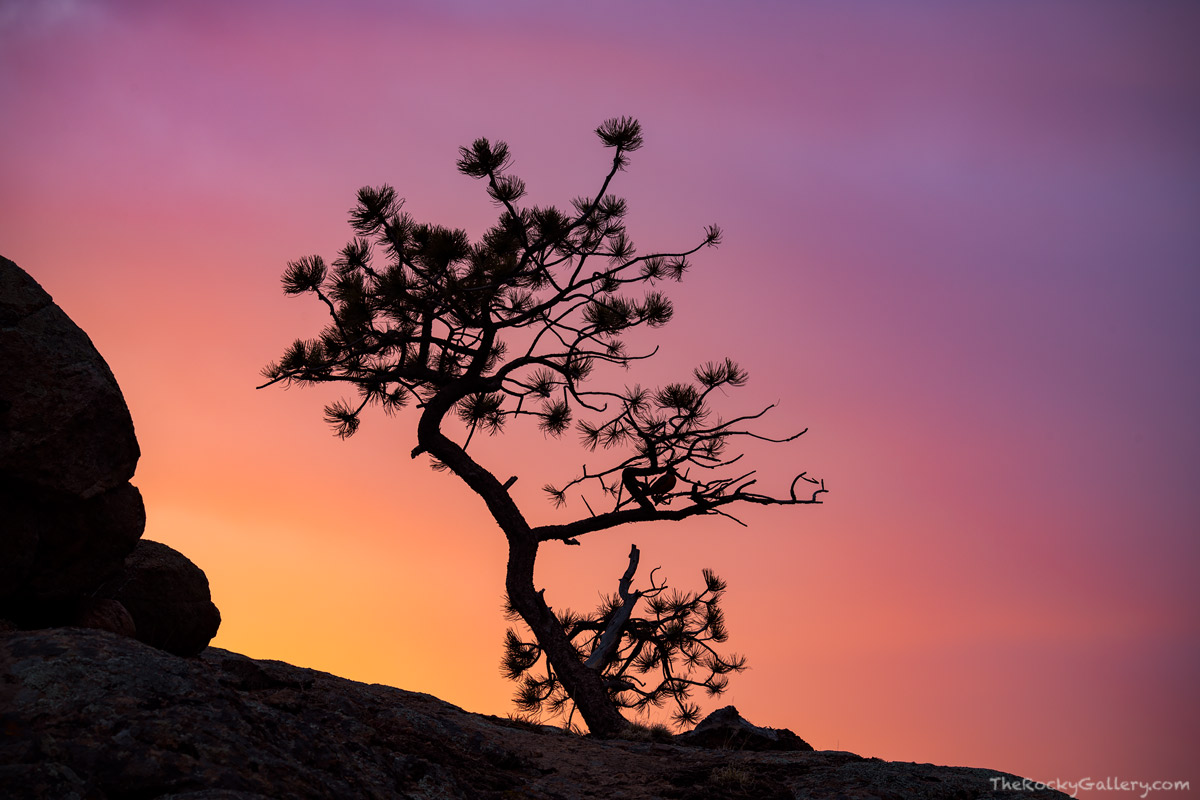
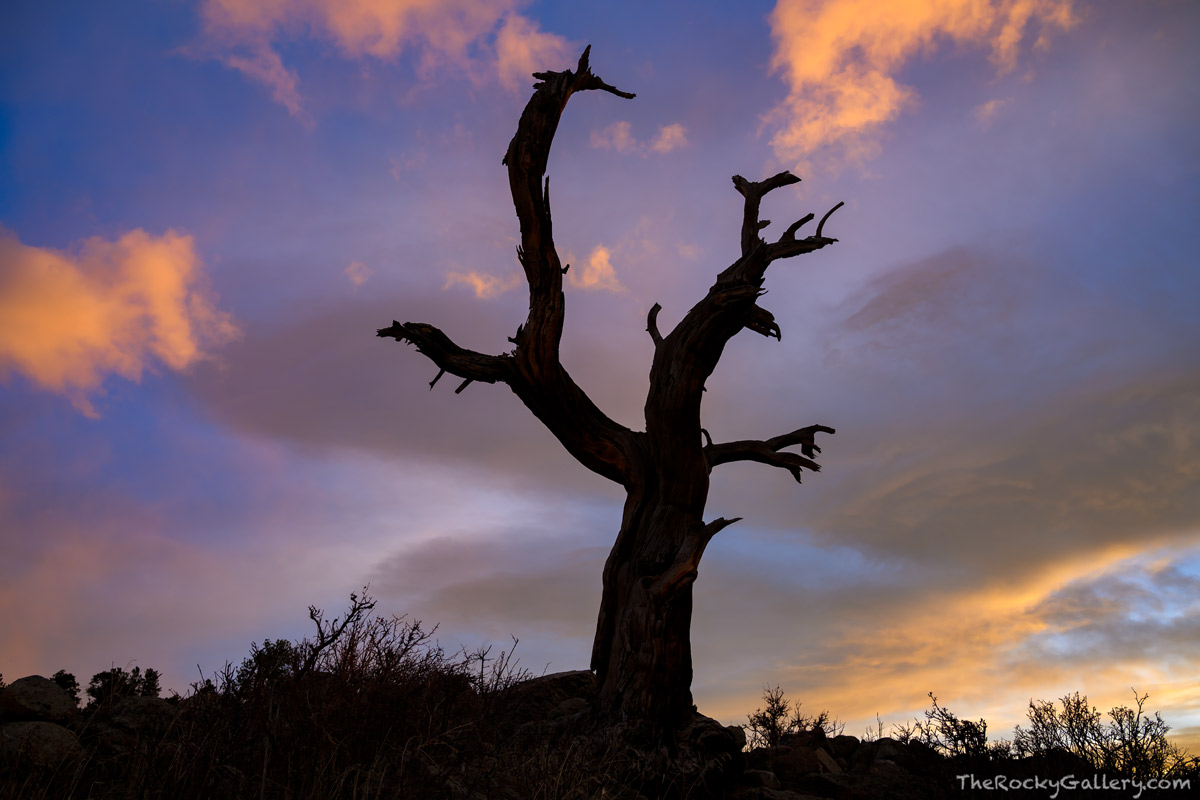
Much like March, April is a topsy turvy month in Rocky Mountain National Park. Expect a little bit of everything in April as just about any kind of weather can show up, most of it likely to bring good dumps of snow. The first sunrise of April in Rocky Mountain National Park was beautiful. This old dead snag was a perfect subject to frame the color skies over the east side of the park. Technical Details: Nikon Z7, Nikkor 24-70mm AF-S lens

So long March and welcome April. As seems typical these days the months keep passing by more quickly each year. In it’s usual fashion, March did its thing. The month started out with sub-zero weather and lots of snow. March warmed up but lots of fresh snow fell during the month which bodes well for summer and fall.

April, like March often has a polarity that seems to switch and change at a whim. Warm spring days, grasses starting to green and Pasque flowers blooming under the Ponderosa forests at lower elevations of Rocky Mountain National Park can quickly be disrupted by large and powerful spring snowstorms. April means be ready for pretty much anything and everything.

The first day of April in Rocky Mountain National Park dawned in true April fashion. A mild morning quickly saw the winds pick up and snow squalls cover over the high peaks of RMNP and the continental divide. The skies east of the divide however, exploded with color as the sun rose to welcome the new month.

With the continental divide covered and most of the streams and waterways still frozen or mostly frozen, I headed to this long dead tree to frame the colorful skies. Rocky did not play and April Fools joke on me and lets hope this is a harbinger or things to come in RMNP the rest of the month of April.

March Being March

Sunrise over the Mummy Range last week as our most recent storm moved out of the state of Colorado. A powerful low pressure system dropped well over a foot of snow on Rocky Mountain National Park. As is typical of snowfalls in Rocky, the high winds quickly removed most of the snow from the pines but still left a beautiful late winter scene to photograph. Technical Details: Nikon Z7, 24-70mm F4 S lens

If you have been watching the national news of late, you’ve probably seen videos of all the snow, avalanches and other weather we’ve been having here in Colorado. While the news stations tend to embellish situations a bit, this winter has been a very active one both for the entire state of Colorado as well as Rocky Mountain National Park.

Just last week Rocky Mountain National Park and the Front Range of Colorado were hit by a very strong late winter storm that dumped lots more snow on the peaks while also being aided with extremely strong winds as well as the lowest recorded measurement of SLP in Colorado at 970.4 MB’s.

Rocky did not get the hurricane like winds that many experienced in the Denver metro area but they did get the snow with very strong winds with well over a foot of new snow falling on an above already above average snowpack.

This latest storm pushed the Colorado River basin snowpack on the west side of Rocky Mountain National Park up over 140% while the South Platte drainage on the east side of Rocky Mountain National Park currently stands at 136% of normal.

What does this all mean for current and future conditions for photography in Rocky?. For one thing it means I certainly expect there to be lots of snow still hanging around early into the summer season. Higher elevations of Rocky are going to see lakes taking longer to thaw and trails still partially covered with snow into at least mid June and possibly even early July. Streams and waterfalls will be flowing hard as the snowmelt begins to take hold later this spring.

I would expect lots of green as temperatures warm as well as wildflowers. In fact, I’m keeping my fingers crossed that we have a great wildflower season in Rocky starting in the lower elevations in June and moving to the higher elevations of the park in July and early August as I hope we reap the benefits of all the snow that has fallen in Rocky Mountain National Park and the mountains of Colorado this season.

As for the current conditions in Rocky expect to see lots of snow, mostly frozen bodies of water including streams and lakes and trails still packed with snow requiring traction, skis or snowshoes. It’s still March so expect lots more snow to fall in the next thirty days but one can also expect the snow to melt quickly as both the sun and temperatures continue to increase quickly as we move towards summer.

So to summarize what one should expect the next few weeks in Rocky, lots more of the same.

Whats Happening In 2019

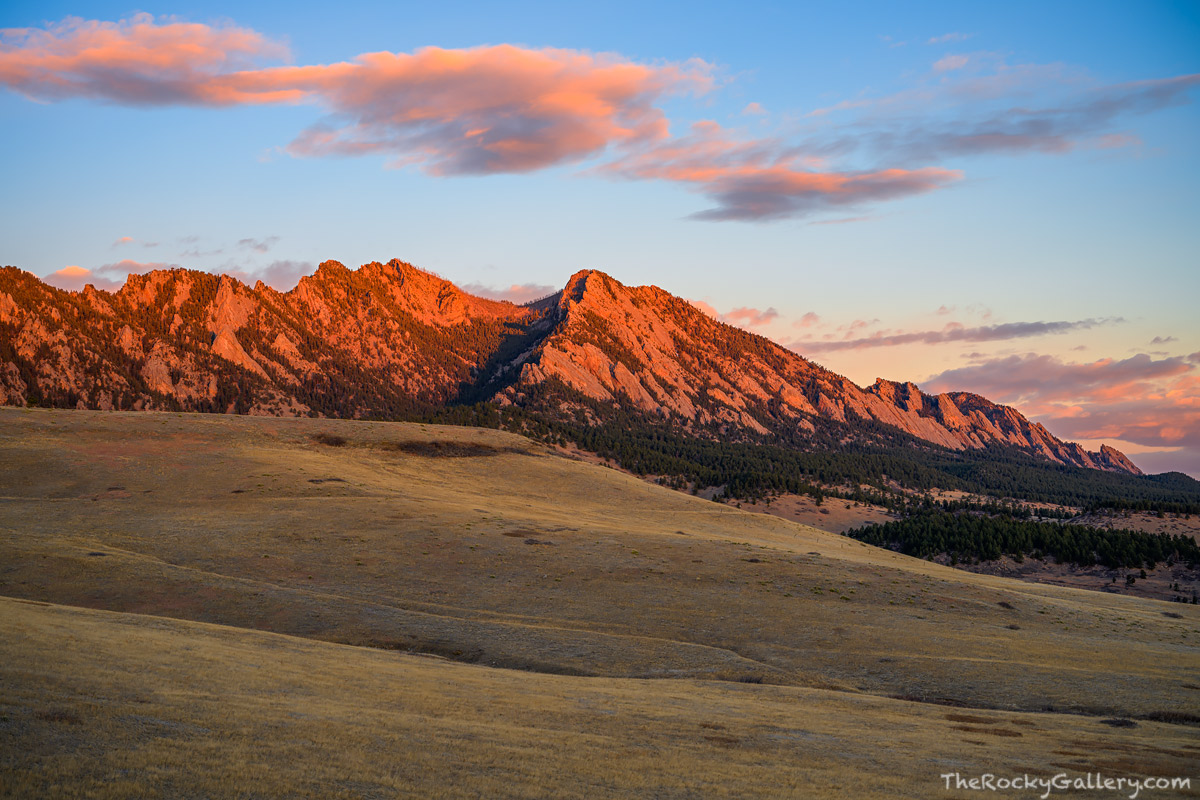
2019 has started off with uncertainty. Currently Rocky Mountain National Park has limited access due to our current government shutdown. We are all hoping for the situation to resolove itself sooner than later but trying to guess when that will be is difficult. Currently, I’ve been spending lots of time in and around Boulder, Colorado photographing the landscape down here and getting out as much as I can. This is a view of the Flatirons from the Doudy Draw area last week looking back towards South Boulder Peak and Bear Mountain. Technical Details: Nikon Z7, 24-70mm F4 S lens

I apologize for the lack of blog posts lately. After wrapping up a very busy 2018 year of guiding and tours in Rocky Mountain National Park, I took a brief hiatus only to have the latest government shutdown make access to Rocky Mountain National Park difficult. As a reminder you can always check my Twitter or Facebook feeds that are linked at the bottom of this page as I post to them at least a few times a week if not more.

While you can technically walk into Rocky as of right now, services are limited and getting into most areas of the park is fairly difficult. Furthermore, most of the better locations for winter photography would require quite a commitment to get to without the ability to drive to a trailhead.

As of writing this it’s difficult to tell when the current government shut down may actually end as we have just past the 23rd day of the shutdown. I’m keeping my fingers crossed for all involved that a resolution can be found sooner than later and we can get back to Rocky Mountain National Park operating as is normal once again.

While we wait out the shutdown, I’ve been keeping myself busy photographing in and around the Boulder area. Not only is this area my second favorite place to photograph after Rocky Mountain National Park, but I’m thankful I have a fallback that allows me the ability to get out and keep productive while the machinations of our current political climate grind away.

I’ll again be offering photography tours in Rocky Mountain National Park for the 2019 season. If you are interested in heading out with me feel free to drop me an email and I’ll be more than happy to discuss dates, locations and times with you.

Until we get some more clarity here, I’ll be out traversing the landscape and open space properties in and around Boulder and will try to make a few expeditions into Rocky because I miss getting out and exploring the park as much as you all do. Stay tuned for lots of posts and images as 2019 unfolds here.

2018 Rocky Mountain National Park Fall Color Update

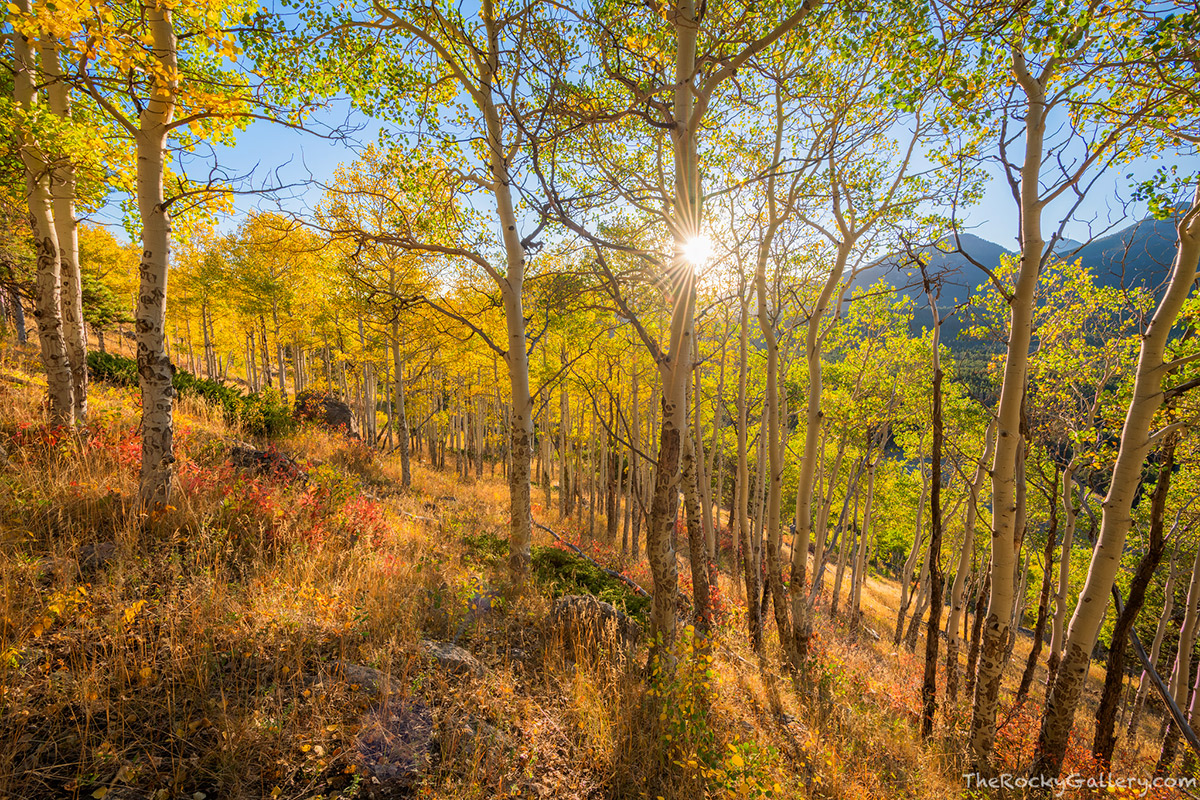
Autumn has arrived in Rocky Mountain National Park. At this point it appears we are going to be a little ahead of schedule on the turning of the leaves. I photographed these aspens at peak along the Bierstadt Moraine last week. Many areas of Rocky Mountain National Park are at peak or quickly nearing peak. Technical Details: Nikon D850, Nikkor 16-35mm F4 AF-VR lens

Just wanted to give my readers a quick update on the current fall color situation in Rocky Mountain National Park as I’ve been questions daily on how things look. What I will say in a broad generalization is the following based on my observations being out in the field everyday the past week.

I believe we are running five to seven days ahead of what the normal timing is for fall color in RMNP. Whether this is because of a warm and dry summer, or because of all the smoke and haze over the park much of the late summer triggering the plants in to thinking there is less sunlight I’m not sure. At this point what seems obvious is that we are certainly running ahead of schedule and that the warm and very windy week we just had is not helping in extending fall color any.

First things first, the autumn color in Rocky Mountain National Park is nearing or just past peak in many areas now. Bear Lake was at peak on Friday, September 14th I would say. This is about 5 days earlier then when peak typically occurs at Bear Lake. While the leaves are at peak, the winds have done a number on many of the aspen trees around Bear Lake. You will stay be able to photograph fall color this week at Bear Lake but its going to be slightly past peak and depending on how strong the winds are, there may not be much left by the end of the week.

The Bierstadt Moraine is currently about 50-60% turned. Many of the trees are showing the stress from the drier summer and while there are nice patches of yellow and orange, there are also some areas that have just turned brown. This week, Bierstadt might be one’s best overall location for autumn color.

As for other areas of Rocky, I would say the mid level elevations will be at peak this week with the lower levels starting to show decent color in the ground cover as well as some of the trees. The Boulder Brook area of the park is only about half turned and should be good over the next week or more as this area does well even after the leaves have fallen as they cover the forest floor.

The elk rut is also well underway and if your timing is good you should be able to find some good groups of bull’s with their harems in Moraine, Horseshoe and the Kawunneche Valley. I do think the warm weather has caused the rutting activity to slow quickly after sunrise and I would also say I’m still observing a fair amount of elk activity in higher elevations of the park stll.

Now is really a great time to get out in Rocky and take advantage of the fall color and autumn elk rut. I think overall color this year is going to be on the fair to marginal side but there is plenty of opportunities to find subjects to photograph if you look. At the current pace, I would expect most fall color in Rocky Mountain National Park to be well past peak by the first week of October.

Motivation

It’s mornings like this one from today in Rocky Mountain National Park that keep me motivated. I may not always have something deep to say about each image but my love of Rocky Mountain National Park and wild places is what keeps me heading out regardless of the times or conditions. Technical Details: Nikon D850, Tamron 100-400mm F 4.5-6.3 DI VC lens

I get asked often what motivates me to get up five, six or seven days a week to head out at an ungodly hour of the morning for most people and head out into nature ready photograph whatever is in store that particular day. It’s a good question without an easy answer.

Head over to social media, podcasts or other photographers blog and this subject comes up often with some photographers while others never discuss it at all. Some photographers feel strongly that if your motivations behind your photography and the reasons you connect with nature and discussed openly than you are discrediting your imagery and craft. While sharing your images with other is important too many that is not enough.

Photographers on the opposite side of the argument may feel the need to share and detail all their personal feelings and motivations each time the create and share and image is necessary. In the modern age of ever shrinking privacy and autonomy, sharing one’s personal feelings, beliefs and motivations each day beyond the image itself may not only make them uncomfortable but may leave them feeling narcissistic and overly self important.

Where do I fall in the discussion? Not to be a cop-out but I would say I fall somewhere in the middle. We as nature and landscape photographers get to witness untold beauty on an almost daily basis. For many the beauty of the light, landscape, journey and discovery is what drives and motivates us to keep returning and communing with the landscape and light. This certainly motivates me but so does the entire process motivate me.

I enjoy waking early long before most. I take great satisfaction in working out after I wake so that I can stay trail ready whether I’m hiking or not. I taking the dog on a walk in the neighborhood at 2:30 AM so I can survey the sky and conditions before I drive to my location. I love my hour long drive from my home in Erie up to Estes Park in the dead of night so I can think quietly, listen to bad music or have long conversations with myself about who knows what. Most importantly I love that I have the freedom to do not only what I love doing, but have locations such as Rocky Mountain National Park that have been preserved, protected and kept open to the public so that I can for the most part, still freely access large swaths of wilderness. Lastly and most importantly I enjoy the entire process. From start to finish each day each step along the way exciting or boring I enjoy. The minute I stop enjoying the entire process is the minute I stop taking photos. I doubt many other photographers would find my routine and process enjoyable like I do.

With that said, some days I’m motivated to write something thoughtful and engaging, and other days I may feel the image stands alone with little need or desire to delve deeper on sharing the personal intricacies that go into my love and motivation behind my craft.

In the world of art there is certainly not a need to conform to what others are doing. In fact conformity is looked down upon and discouraged. No two artists or photographers will travel the same paths nor will they ever arrive at the same destination. We should not only appreciate the difference between individuals, but embrace it.

Being original should be a goal, but it should not be the be the only goal. The goal should be staying true to yourself but remembering to enjoy and love both the experience and process while championing in a responsible manner the subjects you photograph.

As a final thought on motivation, I see many photographers today railing about photographing original compositions and shooting locations or subjects that are rarely photographed. When posting their original composition they often choose to preface it with a quote from an author or historical figure. It’s probably a quote you’ve seen many times before on the internet, in books, calendars and other forms of media. I’ll admit that I’m a sucker for these quotes and often find them interesting and amusing. But in the interest of originality, is it ok to post a never before photographed composition while recycling somebody else’s writing? If we are going to tout the importance of originality shouldn’t the quote used to describe the photograph be held to the same standard as the image and also be original?. Just a thought.

Luck In A Fog

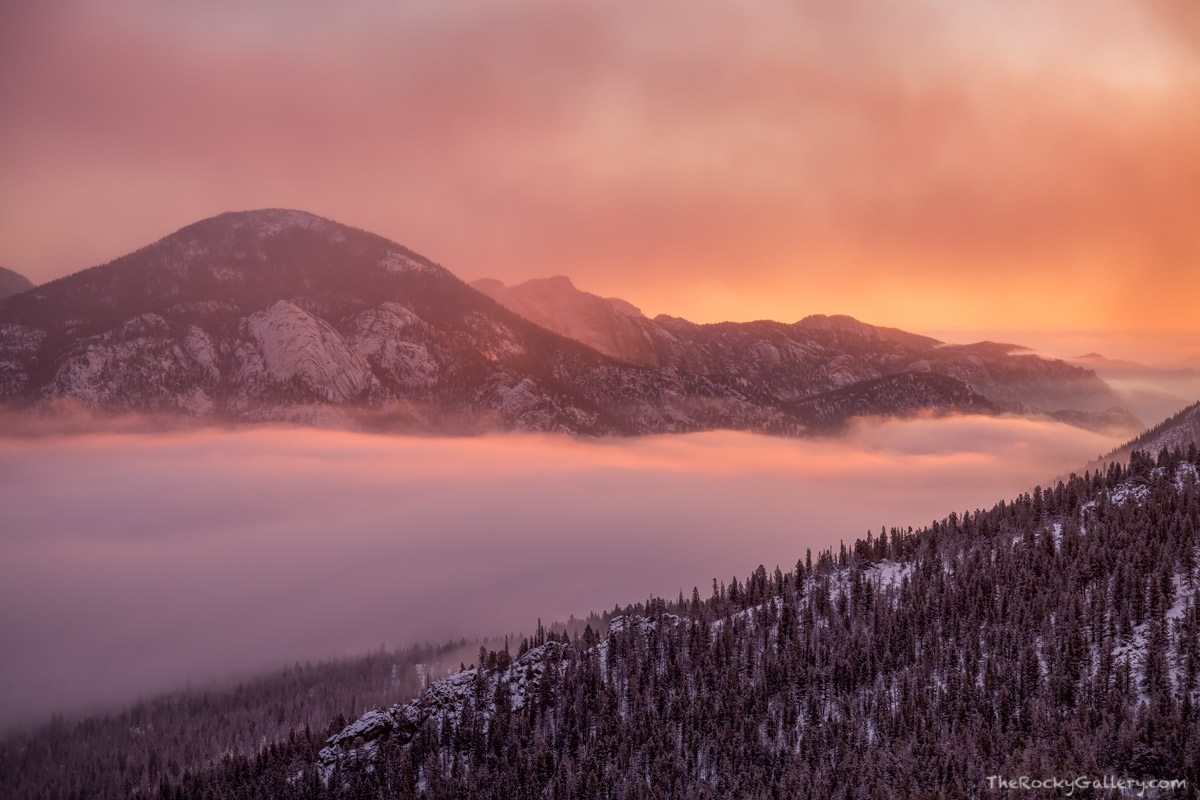
Sometimes just staying put in one location is your best bet. I almost bailed this morning on Rocky Mountain National Park in an attempt to get to the right altitude so I could take advantage of the inversion or fog layer that had formed east of Estes Park and Rocky Mountain National Park. I stayed put and ended up near Many Parks. Cant say I have any complaints of this sunrise view of McGregor Mountain, Lumpy Ridge and a fogged in Horseshoe Park. Technical Details: Nikon D850, Nikkor 24-70mm F2.8 ED AF lens

Today was one of those mornings that when I wake up I’m not sure where I’m going to photograph or what the conditions are going to be like. I have a pretty standard routine each morning before I head out the door and into the field. I spend about an hour working out and then it’s time to walk my dog.

Not only are both of these activities beneficial for photography, but walking Jackson long before sunrise gives me time to survey the conditions before heading out. Sleeping in sounds great and all but honestly I don’t enjoy waking up and just heading out in the dark thinking I know what the conditions will be like. Getting a little time outside to survey the clouds and the conditions has saved my bacon a few times. Sometimes I think I know where the best light is going to be in the morning only to head out with the dog and then change my plans based on what I’m seeing.

I wont be able to get up to Rocky Mountain National Park tomorrow morning so I was pretty intent on heading back up to the park this morning regardless of the conditions. That being said while out with the dog I could see that the skies down here near Boulder were pretty clear. There were signs of some clouds or fog north of me towards Longmont. This intrigued me a bit because with the cold temperatures and fog to the north it appeared and inversion or fog layer was going to setup somewhere.

The trick with these inversion or fog layers is guessing at what elevation they are going to stop at. Photographing in the fog is great, but getting above the inversion layer is even better. Problem is thats not always easy, especially in the winter with most of the high roads like Trail Ridge Road closed for the season.

Back to my office before heading out for one last look at the various web cams I check out as well as my favorite weather site. The Estes Park web cams revealed that it was snowing in both Estes Park and Rocky Mountain National Park. This sealed it for me. Clear skies or snowy landscapes?. I figured I take the snow landscapes and maybe get lucky if the clouds and fog layer I saw to the north somehow made it up to the park.

When I arrived in Rocky Mountain National Park I headed to my spot just inside the entrance that I like to stop out to check out the situation for the morning. I could see the fog layer had now built considerably but was still east of Estes Park and likely halted somewhere in the 6000 ft elevation range. In my head I was thinking sticking lower down in the foothills outside of Boulder might be the best. Still I had a nagging feeling that I should stick around Rocky and see if the inversion kept moving up the hill. It’s easy to want to go for what you think is the safe bet, but it also pays sometimes to just pick a spot and stick with it.

This morning sticking with Rocky paid off in spades. About 45 minutes before sunrise I could see the inversion layers had started to make its way into Rocky Mountain National Park and into Moraine Park. At this point I decided to head up to Many Parks Curve to see if I could stay ahead and above the inversion. Thankfully, the inversion layer made it to a level just below Many Parks Curve. With the high peaks covered in clouds and snow, Many Parks Curve was the place to be at this morning in Rocky.

Adios Autumn

We’ve made it through another fast paced but beautiful autumn season here in Rocky Mountain National Park. Fall color and autumn are quickly making their exit from Rocky but the past fall season while beautiful, varied and always too short has given photographers lots of great opportunities. While the overall color this year was average at best, the weather conditions in the park during the fall season made for some spectacular shooting conditions for photographers. Scenes like this one of snow and autumn aspen trees in Horseshoe Park were common as snow graced the park often this fall. Technical Details: Nikon D850, Nikkor 70-200mm F2.8 ED AF VR FL lens

Autumn in Rocky Mountain National Park is one of my favorite times of year. I look forward to the fall season in Rocky all year only to find it both arrives and departs much more quickly than I am ever comfortable with. It’s a spectacular time of year to visit RMNP and its also and amazing time of year to photograph the park. The autumn hues, golden aspens and elk rut make it a very popular place to be once mid September rolls around. Even with autumn being one of my most favorite times of year to get out in the field, the harried pace of the season in Rocky can make the autumn seem like a blur.

No two fall seasons in Rocky are ever alike. The colors are different each year, the location of the best and most vibrant color are different each year, the timing of peak colors in areas of the park are different each year and the total duration of the autumn season is different each year. Some autumn seasons linger on and on with little to no early season snow or windstorms to expedite the end of autumn.

Some years it’s just the opposite. For one reason or another the fall color may never really pop. Snow and high winds may also rake across the park quickly stripping the trees of their leaves as well as making access to locations more difficult. As is always the case when dealing with mother nature, you just don’t know and there’s not much you can do even if you do know.

This makes it important to take advantage of the conditions whenever they are favorable. If there is one thing I’ve learned in photographing fall in Colorado and Rocky Mountain National Park it’s get the shot while you can. Waiting for better conditions or planning on coming back at a later date is often a fools folly. I’ve personally missed a few opportunities thinking I’ll come back to a location a little later only to have wind, snow or weather decide otherwise.

Autumn season is Rocky has pretty much wrapped up for the year. We’ve had a very dynamic fall season in RMNP and one that offered many great opportunities for photographers even if I would rate the color this season as average to below average. Weather was the story this season along with snow dropped on the park almost once a week since the colors began changing. While the snow and cool autumn hampered some of the fall color, it did allow for some really neat opportunities to photograph the clash of the seasons.

Overall the season was both short and awesome. The frenetic pace of autumn and the need to maximize your time in the field with your subjects while the getting was good takes precedent over sleep, rest and contemplation. Now with the season waining the pace can slow and we can begin looking forward to winter in Rocky Mountain National Park.

Bring On Fall

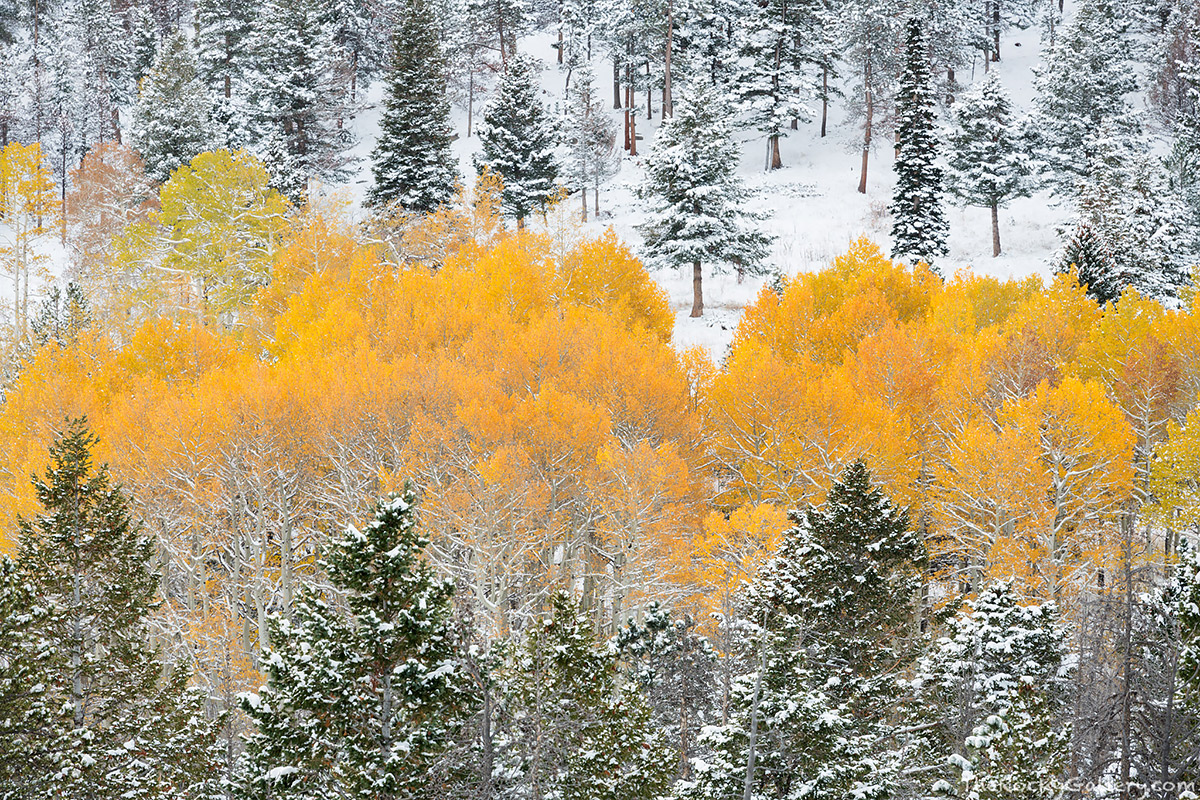
Fall color season is Rocky Mountain National Park is well underway. We are just about to enter primtime as it pretains to photographing the glorious autumn colors that grace RMNP each September and October. I photographed this color grove of aspens trees on the west side of Rocky Mountain National Park late last week. Now’s as good a time as any to get out an photograph the fall colors of Rocky. Technical Details: Nikon D810, Sigma 150-600mm f/5-6.3 DG OS HSM C

How quickly time seems to fly. Seems like only a few weeks ago I was lamenting a late spring blizzard in Rocky that dumped 3 feet of snow on the park while awaiting summer. While that late season May blizzard dropped a load of snow on Rocky it was only a temporary obstacle to the oncoming summer season in the park and all the glorious beauty that comes along with the thaw out of the high country. Now here I am lamenting the fact that summer is already on its way out and the autumn season and fall colors that grace Rocky Mountain National Park each season are quickly nearing their peak.

Of course lamenting is not really the right word as the transition from summer to fall in Rocky leads us into my favorite time of the year in the park as well as one of the most fruitful times for any photographer visiting Rocky. The only issue most photographers have with the fall season is that like the summer seasons its too short so one needs to take advantage of every opportunity as you may or may not got a second chance with the fleeting and frenetic nature of autumn in RMNP.

As of this writing, many area of Rocky are just starting to dawn their fall colors. There are some areas of Rocky Mountain National Park that are currently at peak but for the most part the color show will really start unfolding starting this week.

A few area of aspens on the west side of Rocky are at peak. Those include the groves near the west entrance of the park at Grand Lake, and the hillsides below the Never Summer Mountains. The tundra grasses have taken on their red hue and many of the small ground plants and brush near timberline are now peaking.

On the east side of Rocky the autumn colors are just starting to look good at the higher elevations. The areas around Bear Lake which tend to peak right around the 20th of September (give or take a few days on either side) now are showing color. The Bierstadt Moraine is showing hints of color though we have at least 10 days to go before peak. The area around Boulder Brook is starting to get some nice color but should remain fruitful for the next two weeks.

As a reminder the fall color in Rocky Mountain National Park tends to peak in the higher elevations first and then will move its ways down to the lower elevations which include the meadows and parks. One can easily photograph fall color in Rocky from about September 15th all the way through mid to late October depending on temperatures, snowstorms, and cold temperatures so its important to keep an eye on the weather and remain flexible.

So get outside and enjoy the autumn season in Rocky Mountain National Park because like summer, it wont last long and its only a matter of time before the snow starts flying and accessing some locations in RMNP become a lot more difficult.

Good Morning Notchtop

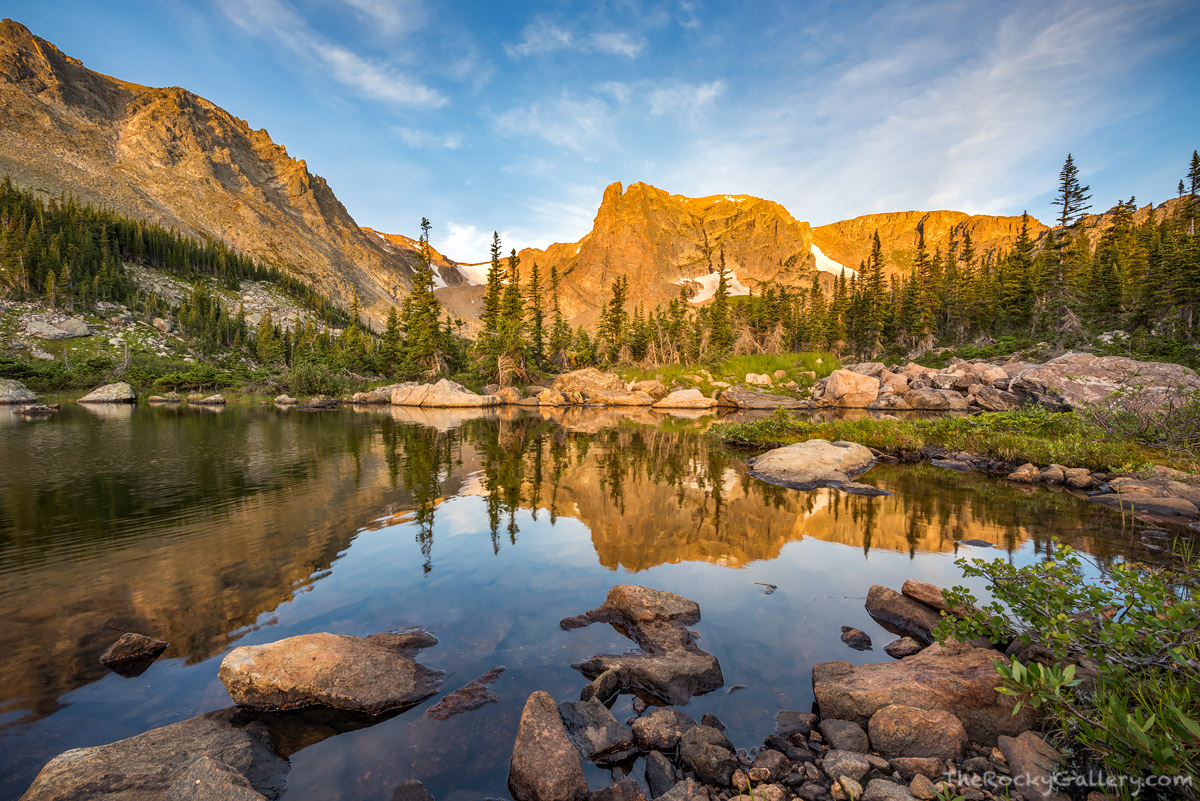
Photographing sunrise on Notchtop Mountain from the area around Lake Helene is always a thrilling experience in Rocky Mountain National Park. Last week I guided a client up to this area for a beautiful sunrise in one of Rocky’s most special areas. Technical Details:Nikon D810, Nikkor 14-24mm F2.8 AF ED

Notchtop Mountain is one of Rocky’s most iconic features. While Notchtop can be seen from portions of Trail Ridge Road and Bear Lake Road it takes a little more effort to view and photography it up close and personal. The best way to view and photography Notchtop is to hike the moderate three plus miles to the area around Lake Helene from the Bear Lake trailhead.

This area around Lake Helene is filled with potential for photographers. Besides the spectacular views of Notchtop Mountain from Lake Helene, there are many other beautiful more secluded locations to photography both Notchtop Mountain, Grace Falls and the Odessa Gorge.

I often recommend this hike to photography tour clients who are both fit and looking to explore off the beaten path. It’s a great destination in Rocky Mountain National Park for sunrise and most of the time you will be the only photographer within miles. Last week I lead a client up to the area near Marigold Ponds for a beautiful sunrise shoot. As always the area did not disappoint and Notchtop looked glorious as the sunlight and high cirrus clouds filtered onto the dramatic face of the peak.