
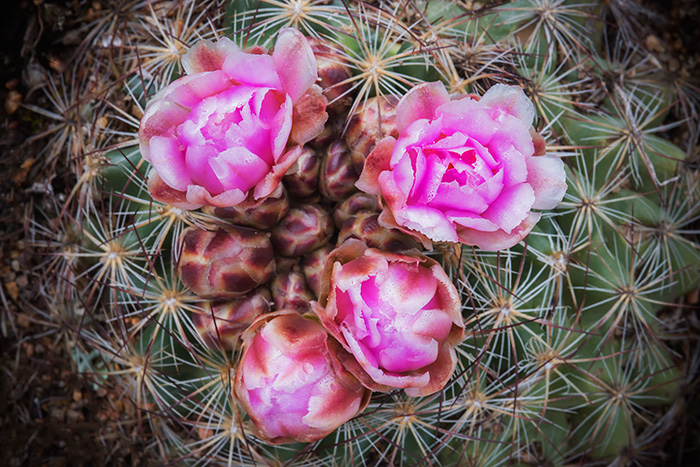
Spring keeps settling into Rocky Mountain National Park and were as we move through the first week of May. Of course that means it must be time for a winter weather advisory and some heavy snow this weekend. As I write this post it looks like Rocky Mountain National Park, especially the higher elevations above 8000 ft are looking good for some heavy snows over this Mother’s Day weekend. I’m ready for summer and while Rocky is certainly making the transition towards summer, May snowstorms are in fact, common. So with that being said, why not discuss early season wildflower opportunities in the Park.
Rocky’s climate varies tremendously and when people joke about experiencing all four seasons over the course of a few hours in Rocky they are in fact stating a real possibility. One of the things I find most interesting about Rocky Mountain National Park is not only it’s wildly changing weather and temperatures, but the flora and fauna that must endure and exist in this climate 365 days a year. Late spring tends to bring the biggest snowstorms to Rocky Mountain National Park along with some of it’s most unsettled weather. Even with the threat of large snowstorms and large temperature swings one can find some of Rocky’s early season wildflowers on display if they look closely enough.
Some of the first and hardiest bloomers in Rocky Mountain National Park are the Pasque flower and the Mountain Ball Cactus. Pasque flowers tend to be the first wildflowers to appear in Rocky Mountain National Park. Typically they can be found in shady areas at or near the base of Ponderosa pine trees. They grow in small groups and their lavender coloration is subtle and much more understated then their summer wildflower brethren. It’s easy to walk right past a Pasque flower without even noticing it’s there. Pasque flowers which are aptly known as ‘Easter Flowers’ tend to start blooming as early as late March right through April. Pasque flowers can still be found in the park though we are nearing the end of Pasque season.
Another early wildflower bloomer is one of my personal favorites, the Mountain Ball Cactus. When we think of Rocky Mountain National Park the first thing that comes to mind is cactus right?, probably not. When most of us think of Rocky Mountain National Park we think of high mountain peaks, alpine tundra, majestic lakes and snow, not so much cactus. Two forms of cactus actually exist in Rocky Mountain National Park, the first being the Prickly Pear Cactus, and the second being the Mountain Ball Cactus.
The Mountain Ball Cactus can also be found in the lower elevations on the east side of Rocky Mountain National Park. Mountain Ball Cactus tend to bloom in late April through mid May when the cactus springs back to life after going dormant for the winter. Mountain Ball Cactus are small plants and again are fairly easy to overlook. They tend to grown on southern facing slopes and some one of the best places to find them are in Upper Beaver Meadows and along the south facing slopes of Deer Mountain. Mountain Ball Cactus blooms are small but they produce a very colorful and beautiful pink bloom. 
Photographing Pasque flowers and Mountain Ball Cactus can be challenging. Many photographers will simply ignore these wildflowers, preferring to wait for the summer blooms. When photographing Mountain Ball Cactus and Pasque flowers one has to work a little harder to be creative and capture images that display these wildflowers understated beauty. Unlike the summer wildflowers, one is not going to find fields or large groupings of either of these flowers. You are also not going to be able to create classic near/far compositions of wildflowers in the foreground and mountains in the background. Photographers will need to concentrate on the flowers themselves to create compelling imagery.
I personally like to use a dedicated Macro lens to photograph these blooms. While I don’t often use a dedicated Macro lens when photographing wildflowers, I find these understated wildflowers conducive to Macro photography. Using a dedicated Macro lens in the 100mm range l allows for photographers to eliminate distraction and uninteresting portions of the scene. I like to experiment with my aperture, often using smaller f-stops and apertures to blur the background and allow the focus to be on the wildflowers themselves.
I’m not advocating using only a dedicated Macro lens to photograph these wildflowers, by all means experiment with other lenses in your kit. I am however, advocating to keep an eye out for some of the more subtle and understated beauty in Rocky Mountain National Park. Yes it’s still early in the season for wildflowers but even so there are small pockets of beauty to be found if one just takes the time to look for it.